jackfruit

Uncategorized

Uncategorized

Smart Farming Solutions For Livestock Management

Digital Livestock Monitoring & Advisory System Case Study agriculture Rural India Case Study Digital Livestock Monitoring & Advisory System An “India-First” technology initiative designed to prevent cattle mortality, stabilize rural incomes, and empower veterinarians with affordable digital tools. “Addressing the critical gap in veterinary care and productivity for small-holder farmers through low-cost, offline-capable infrastructure.” The Crisis The Plight of the Small Farmer For a poor farmer in rural India, a single cow represents a lifeline. The loss of livestock due to preventable disease or poor yield management isn’t just a setback—it’s a financial catastrophe. savings Financial Vulnerability Western monitoring solutions cost more than the animal itself. Indian farmers need ultra-affordable tools that protect their primary asset without creating debt. wifi_off The Connectivity Gap Rural sheds often lack stable power and internet. Cloud-only apps fail here. We require an offline-first architecture that syncs data when connectivity is available. medical_services The Veterinary Void Vets are scarce and overburdened. Without historical health data, treatment is reactive. Our system empowers Para-vets & Veterinarians with data to save lives. The Ecosystem Connecting the Village to the Cloud A simple, robust digital chain that links the animal in the shed to the veterinarian on the move. qr_code_2 1 Digital ID RFID/Ear-tagging for every animal to create a unique digital health record. sensors 2 Low-Cost IoT Rugged, battery-operated sensors monitor shed environment without needing Wi-Fi. phonelink_setup 3 Vet & Farmer App Vets access history & record treatments. Farmers receive audio alerts in local languages. domain 4 Cooperative Dashboard Unions monitor disease outbreaks and milk procurement in real-time. Core Features Solving Real Rural Challenges health_and_safety Disease Prevention Early detection of illness means treatment starts 2 days earlier. This drastically reduces mortality rates and saves the farmer from devastating financial loss. Key Benefit: check_circleReduced Vet Bills check_circleLower Mortality trending_up Income Stability By tracking cycles and nutritional needs, we help farmers optimize yields. Consistent milk production means a consistent monthly paycheck for the family. Key Benefit: check_circleOptimized Breeding check_circleBetter Milk Prices assignment Vet Enablement The app acts as a digital assistant for the Veterinarian. They can view an animal’s history before arriving, record diagnoses, and schedule follow-ups efficiently. Key Benefit: check_circleData-Driven Diagnosis check_circleDigital Records Implementation Strategy Scalable Rollout for Cooperatives Designed to start with zero infrastructure and scale as the cooperative matures. 01 The Foundation Identity & Records Deploy field staff to ear-tag cattle. Onboard farmers and local vets onto the mobile app to start basic digital record keeping (Vaccinations, Insemination). Hardware: RFID Tags + Android Phones 02 Intelligence IoT & Alerts Introduce low-cost environmental sensors in sheds. Enable automated SMS/Voice alerts for farmers regarding heat stress or disease outbreaks. Hardware: Temp/Humidity Sensors 03 Optimization Statewide Analytics Use aggregated data to predict fodder requirements, optimize milk collection routes, and direct government subsidies to the farmers who need them most. Hardware: Cloud Dashboard trending_up Social & Economic Impact Transforming Livelihoods When a farmer’s income stabilizes, the entire rural economy uplifts. Our system delivers tangible ROI for cooperatives while providing a safety net for the poor. 20% Income Increase Through optimized breeding cycles and milk yield. 30% Disease Reduction Via early warning alerts to vets and farmers. 100% Transparency In subsidy distribution and health records. warning Alert Cow #402: High Temp Dashboard view for Cooperative Admins & Veterinarians Stakeholders Who This Solution Serves account_balance Government Bodies Animal Husbandry departments seeking data-driven transparency in subsidy distribution and nationwide disease tracking to formulate better policies. groups Dairy Cooperatives Empower Unions to monitor supply chains, provide real-time veterinary advisory to member farmers, and optimize collection logistics. Our Advantage Why Jackfruit Solutions? We don’t just sell software; we provide a partnership for rural transformation. Our “India-First” philosophy ensures that our technology works where you need it most. check Works Offline Built for villages with spotty internet connectivity. check Affordable & Scalable Engineered to fit the budget of Indian cooperatives. check Farmer Friendly Apps in local languages with voice-support for accessibility. handshake Partner with Us Let’s modernize your cooperative. Request Demo
Uncategorized

Next-Generation Vehicle Tracking Systems

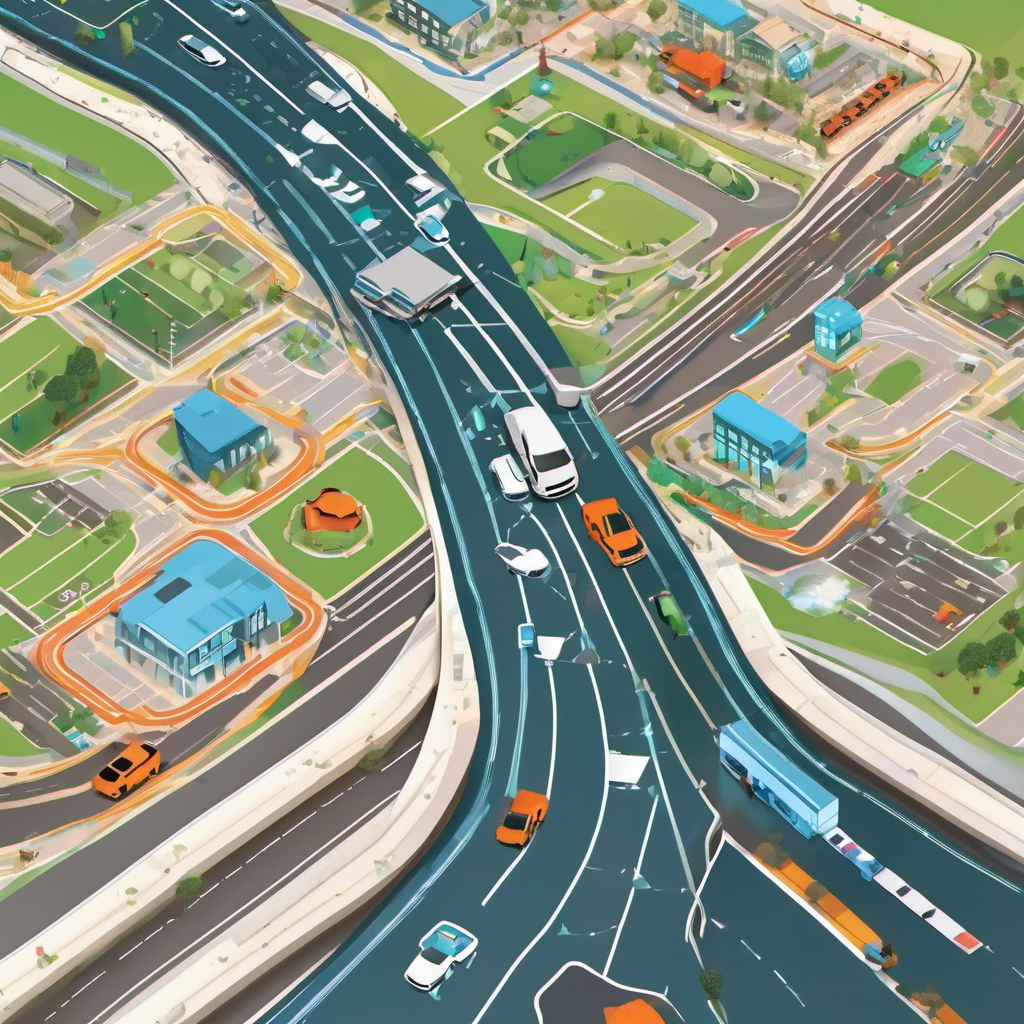
In the rapidly evolving automotive industry, next-generation vehicle tracking systems are leading innovation and transforming transportation networks in both commercial and consumer sectors. Integrated with advanced telematics, IoT sensors, and 5G connectivity, these systems provide comprehensive insights beyond location tracking such as diagnostics and predictive maintenance. They enable real-time route planning, timely risk management, and improved driver assistance features through the use of AI and machine learning, thereby transforming fleet management and urban mobility. Using their capabilities for efficient, safe, and eco-friendly transportation, next-generation tracking systems are an important leap towards smart and interconnected transportation networks. What is a vehicle tracking system? Vehicle tracking software is a form of technology that helps users to monitor the movement and state of the machines in real time. The primary function of vehicle tracking systems is achieved through GPS technology, which provides precise vehicle location data. This data is then transmitted via communication satellites. Components of a vehicle tracking system include: GPS Receiver: The GPS Receiver in a vehicle or any other vehicle is capable of taking signals from a network of satellites to get the exact coordinates of the vehicle. Furthermore, the received information is communicated to the system’s central server at this time. Communication Module: Another important component of the tracking system, is the Communication Module which is operated on the network data provided by the telecom or by satellite. It is the element responsible for transmitting the location data from the GPS receiver to the tracking system’s server in real time. Tracking Software: The tracking software that runs through web or mobile applications shows the users the live location of these vehicles, this is what is known as trucking software. The web-based and cellular technology shows the user’s location, status, and health and environmental performance data in real time. This involves a set of features such as maps, traffic delivery playback, alerts to the driver, and reporting. Centralized Server: Apart from transmission between the GPS technology and the user interface, the software must be able to receive, process, and store the data which is sent from the GPS-based tracking system. The role of the centralized server with GPS units used in vehicles is to ensure a connection between the users and the passenger cars, allowing tracking, and monitoring tasks. What technology is used in vehicle tracking system Vehicle tracking systems also known as GPS tracking systems, use a network of satellites (such as GPS) used to identify vehicle locations in real-time. GPS: GPS: This satellite-based navigational system is widely used to provide accurate location information anywhere on Earth. GPS receivers in vehicles receive information from multiple satellites to determine their coordinates in latitude, longitude, and altitude. This data is then sent to the tracking server to initiate vehicle tracking. Cellular Communication: For the most communication, vehicle tracking systems contain cellular communication networks (for example, GSM, 3G, 4G, or 5G) to broadcast location data from the GSM device to the tracking system’s server. Communication through the cell phone network results in an unbroken connection being set up and it allows continuous tracking of the vehicle, even when it is situated in outlying or mobile areas. Radio Frequency Identification (RFID): It can be linked to GPS to follow the vehicles in a given area similar to the place where they are either in the warehouse, at the loading bay or on the journey makes an exemption. Inside the building, one will be seeing vehicle RFID tagged vehicles and once the detection receiver receives the signal shall transmit the data for the purpose of being tracked in a particular location. Geofencing: The technology of geofencing allows for the spatial marking of designated zones and virtual boundaries within the zones provided. An electronic monitoring device, embedded in the vehicle, can initiate notifications or alerts when the geofencing is entered or left provide more extensive monitoring and control of vehicle movements. Embedded Sensors: Some advanced tracking systems can have built-in sensors in the vehicle through which they become able to observe various conditions that are concerned with the vehicle’s health, such as temperature, humidity, tyre pressure, and cargo status. These particular devices not only provide the vehicle’s health and performance details such as in the case of tyre pressure and cargo but also are extremely helpful in forecasting the vehicle’s efficient service and in addition to that they increase the overall operational efficiency. Cloud computing:  The most recent type of vehicle monitoring system, which relies heavily on cloud computing services. It is the received information from a vehicle that should be collected, stored, and indexed which can take hours, days and weeks if done manually. The SaaS application can be used either via mobile “App” supported on various smart gadgets or the standard web UI supported on any other web-connected devices. Evolution of GPS Tracking Technologies for Fleet Management: Over the years, GPS tracking technologies have changed the innovations totally so that they can keep growing and support the needs of fleet managers and transportation professionals. From simple location tracking to the most powerful telematics solutions, GPS technology has developed in such a way that it is no longer impossible to have functional and highly capable fleet management through: Real-Time Tracking: Modern GPS tracking devices simplify vehicle location management and provide real-time information, enabling fleet managers to make informed decisions. Telematics Integration: Telematics are made by integrating GPS positioning tools with abroad sensors and cellular communication. These systems are able to gather and send information about the vehicle’s speed, vehicle fuel expenditure, engine diagnostics, and also the major behind-the-wheel manners of the driver. By this, the vehicle condition and performance get insight, vehicle maintenance and optimization are further made possible. Satellite-Based Solutions: These technologies provide coverage to remote areas beyond the reach of traditional GPS infrastructure. These concepts help find the vehicle and figure out its position from anywhere even if it is no longer interlinked with the company’s network of garage nodes through satellites. Comparison of Different Types of Tracking Devices OBD-II Trackers:

Uncategorized

Cybersecurity Challenges in IoT-enabled Logistics Systems

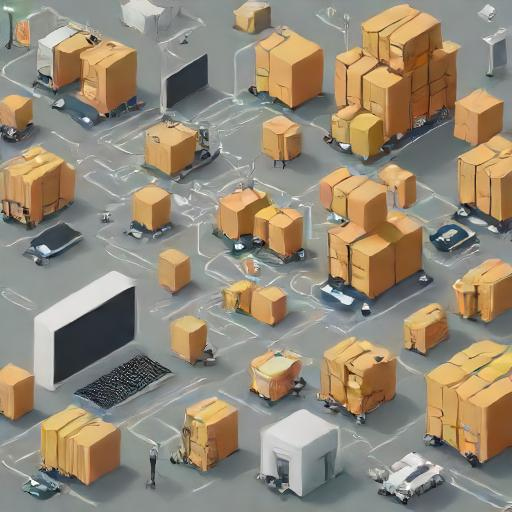
In the creative world of logistics, the advancement of IoT technologies has brought with it new levels of visibility and productivity. IoT-based logistic systems provide endless opportunities for predicting maintenance, monitoring, and optimising the use of resources. However, the digital revolution has also raised the issue of cybersecurity, which deserves caution.  As logistics networks increasingly integrate IoT devices, businesses are becoming more exposed to cybersecurity threats for various reasons. The clear goals mentioned in IoT-enabled logistics systems’ multilevel concerns such as connecting devices securely, storing data safely, and mitigating risks as they move throughout the supply chain are critically analysed. This allows them to manage technology and logistics effectively, ensuring the development and security of their operations in an increasingly digitalised world. Identifying Security Risks and Vulnerabilities Associated With IoT Devices The first step in creating secure data logistics frameworks is to conduct a risk analysis. Below is a description of some of the crucial issues: The Regulatory Landscape Numerous regulations and standards are in place that govern the handling and protection of “sensitive” data within the logistics industry. Some of them are below: At the same time, a business subject to the law must not reveal data of accidental loss, they must erase it timely, and implement high-grade security to system them properly. As a condition of network security, the implementers may also establish different access rights, such as the right to have an easy viewing or the right to transfer files. Best Practices for Data Security in Logistics To meet compliance requirements and mitigate risks associated with sensitive data, logistics organizations should adopt a proactive approach to data security. Key best practices include: Conclusion In the time of digitalization and logistics network linkage, securing informational records is a fundamental imperative to operational and regulatory affairs, to succeed and keep customers’ recognition and achieve statutory confirmation. By observing and adhering to statutory obligations that include SEE, CCPA, HIPAA, PCI DSS, and the use of the best practices for data security, logistics companies can practically guarantee the protection level of sensitive data during the lifecycle of the data. by engaging in various preventive actions, continuous scrutiny, and upholding data integrity, logistics entities can lawfully regulate and be responsible for sensitive documents in a hyper-technological world.

Scroll to Top