In the creative world of logistics, the advancement of IoT technologies has brought with it new levels of visibility and productivity. IoT-based logistic systems provide endless opportunities for predicting maintenance, monitoring, and optimising the use of resources.
However, the digital revolution has also raised the issue of cybersecurity, which deserves caution. As logistics networks increasingly integrate IoT devices, businesses are becoming more exposed to cybersecurity threats for various reasons.
The clear goals mentioned in IoT-enabled logistics systems’ multilevel concerns such as connecting devices securely, storing data safely, and mitigating risks as they move throughout the supply chain are critically analysed. This allows them to manage technology and logistics effectively, ensuring the development and security of their operations in an increasingly digitalised world.

Identifying Security Risks and Vulnerabilities Associated With IoT Devices
The first step in creating secure data logistics frameworks is to conduct a risk analysis. Below is a description of some of the crucial issues:
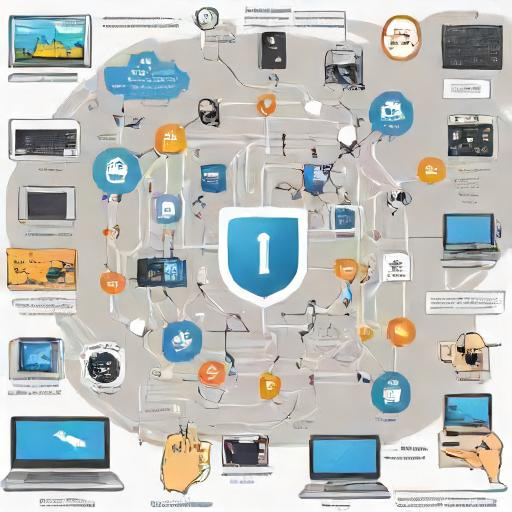
- Insecure Communication Protocols: Many IoT devices communicate via wireless communication protocols that are void of encryption or any formality for authentication such as the lack of protection against eavesdropping or unauthorized access by intruders.
- Weak Authentication Mechanisms: The existence of default passwords or easy-to-guess passwords. This situation allows unauthorized access to sensitive data or critical systems.
- Lack of Firmware Updates: Some vendors are not diligent in providing regular firmware updates or patches to address security vulnerabilities in IoT devices, increasing the risk of known threats.
- Security Risks: In secure locations, IoT devices and machines can be damaged through various methods, such as theft, vandalism, and unauthorized entry into warehouses or storage areas.
- Data Privacy Concerns: There are privacy issues to deal with the vast amount of data collected by IoT devices with shipment details, stock levels, and seller details. Secret data encryption or storage modes might risk data about privacy and regulatory compliance.
- Supply Chain Risks: Mistakes committed by people rather than computer systems hardcoded compromises because of insecure connections or the systems that are already hacked by the attackers, can lead to a security risk in the whole supply network to occur.
- Denial-of-Service (DoS) Attacks: Cyber attackers can create a botnet by taking control of the vulnerable IoT devices, so they can toggle on and off them so that the tedious IoT devices error out, causing the logistics breakdown and loss of money to occur.
- Insufficient Access Controls: Sometimes, privacy and IoT security become vulnerable, and unauthorized people will get access to IoTs and logistics systems because there are weak access controls or no access controls at all.
- Insider Threats: This can be the story of your employees or even sick contractors. Employees or even vendors could launch an infiltration attack by not following the security recommendations making errors that result inadvertently or sending harmful software that they have taken to the next person.
- Integration Complexity: One of the key issues is related to making IoT devices and the existing logistics systems compatible so that they could be able to operate more efficiently. The reasons behind these obstacles which are technical complexities and compatibility issues with existing systems, as a result, might put the logistics companies in a state of distress.
The Regulatory Landscape
Numerous regulations and standards are in place that govern the handling and protection of “sensitive” data within the logistics industry. Some of them are below:
- General Data Protection Regulation (GDPR): GDPR imposes very strict regulations governing the collection and handling of personal data of people across Europe. This concerns any organization that stores a Citizen’s information in the European Union. They are liable for protecting and maintaining the privacy of the data, as well as being responsible for any breaches that occur, whether through their own actions or those of third parties.
- California Consumer Privacy Act (CCPA): CCPA is a law intended to protect Californians from unauthorized or improper data collection. It also sets down rules for any business conducting such actions. Transparency, personal data rights of the consumers, and data protection are a few examples.
At the same time, a business subject to the law must not reveal data of accidental loss, they must erase it timely, and implement high-grade security to system them properly.
- Health Insurance Portability and Accountability Act (HIPAA): HIPAA has to be implemented in undertakings concerned with the supply of medical equipment and drugs by the transport and distribution intermediaries. Keeping the protected health information (PHI) completely secured (consistent confidentiality, integrity, and availability) during transport of the health-related products is the responsibility of the authorized entity which can not be waived nor violated.
- Payment Card Industry Data Security Standard (PCI DSS): The transport and logistics sector and companies that handle card payments are obliged to conform to the standards of Payment Card Industry Data. The rules should be in place such as cryptographic technologies, secure data management, network isolation, and using security protocols to transact.
As a condition of network security, the implementers may also establish different access rights, such as the right to have an easy viewing or the right to transfer files.
Best Practices for Data Security in Logistics
To meet compliance requirements and mitigate risks associated with sensitive data, logistics organizations should adopt a proactive approach to data security. Key best practices include:
- Data Encryption: Utilize various encryption technologies to secure data during transmission between systems and when stored digitally, ensuring its security
- Access Control: Implement robust access control mechanisms to restrict data access based on user roles and types.
- Regular Audits and Assessments: Perform regular security audits and testing revealing weaknesses, evaluate compliance posture, and ensure adherence to security policies and procedures. Address vulnerable areas as soon as they are identified to maintain data integrity.
- Employee Training and Awareness: Not only training and awareness are the best practices in data security of the essence but also it is our duty as employers to sensitize and train them in matters of compliance and the need for confidential data protection. Establish a team with a keen eye on security and make the message of security awareness evident across the company.
- Incident Response Planning: Be prepared and find cases of crime such as fixing them as they come and mastering recovering anything that gets lost. Have a backup plan in place, make use of the system updates, and check your network for the latest harmful software being launched as a zero-day threat. Train your employees on cybersecurity and they should also be enabled to prevent data theft in case of any breach.
Conclusion
In the time of digitalization and logistics network linkage, securing informational records is a fundamental imperative to operational and regulatory affairs, to succeed and keep customers’ recognition and achieve statutory confirmation. By observing and adhering to statutory obligations that include SEE, CCPA, HIPAA, PCI DSS, and the use of the best practices for data security, logistics companies can practically guarantee the protection level of sensitive data during the lifecycle of the data. by engaging in various preventive actions, continuous scrutiny, and upholding data integrity, logistics entities can lawfully regulate and be responsible for sensitive documents in a hyper-technological world.