In the rapidly evolving automotive industry, next-generation vehicle tracking systems are leading innovation and transforming transportation networks in both commercial and consumer sectors. Integrated with advanced telematics, IoT sensors, and 5G connectivity, these systems provide comprehensive insights beyond location tracking such as diagnostics and predictive maintenance. They enable real-time route planning, timely risk management, and improved driver assistance features through the use of AI and machine learning, thereby transforming fleet management and urban mobility. Using their capabilities for efficient, safe, and eco-friendly transportation, next-generation tracking systems are an important leap towards smart and interconnected transportation networks.
What is a vehicle tracking system?
Vehicle tracking software is a form of technology that helps users to monitor the movement and state of the machines in real time. The primary function of vehicle tracking systems is achieved through GPS technology, which provides precise vehicle location data. This data is then transmitted via communication satellites. Components of a vehicle tracking system include:
GPS Receiver: The GPS Receiver in a vehicle or any other vehicle is capable of taking signals from a network of satellites to get the exact coordinates of the vehicle. Furthermore, the received information is communicated to the system’s central server at this time.
Communication Module: Another important component of the tracking system, is the Communication Module which is operated on the network data provided by the telecom or by satellite. It is the element responsible for transmitting the location data from the GPS receiver to the tracking system’s server in real time.
Tracking Software: The tracking software that runs through web or mobile applications shows the users the live location of these vehicles, this is what is known as trucking software. The web-based and cellular technology shows the user’s location, status, and health and environmental performance data in real time. This involves a set of features such as maps, traffic delivery playback, alerts to the driver, and reporting.
Centralized Server: Apart from transmission between the GPS technology and the user interface, the software must be able to receive, process, and store the data which is sent from the GPS-based tracking system. The role of the centralized server with GPS units used in vehicles is to ensure a connection between the users and the passenger cars, allowing tracking, and monitoring tasks.
What technology is used in vehicle tracking system
Vehicle tracking systems also known as GPS tracking systems, use a network of satellites (such as GPS) used to identify vehicle locations in real-time.
GPS: GPS: This satellite-based navigational system is widely used to provide accurate location information anywhere on Earth. GPS receivers in vehicles receive information from multiple satellites to determine their coordinates in latitude, longitude, and altitude. This data is then sent to the tracking server to initiate vehicle tracking.
Cellular Communication: For the most communication, vehicle tracking systems contain cellular communication networks (for example, GSM, 3G, 4G, or 5G) to broadcast location data from the GSM device to the tracking system’s server. Communication through the cell phone network results in an unbroken connection being set up and it allows continuous tracking of the vehicle, even when it is situated in outlying or mobile areas.
Radio Frequency Identification (RFID): It can be linked to GPS to follow the vehicles in a given area similar to the place where they are either in the warehouse, at the loading bay or on the journey makes an exemption. Inside the building, one will be seeing vehicle RFID tagged vehicles and once the detection receiver receives the signal shall transmit the data for the purpose of being tracked in a particular location.
Geofencing: The technology of geofencing allows for the spatial marking of designated zones and virtual boundaries within the zones provided. An electronic monitoring device, embedded in the vehicle, can initiate notifications or alerts when the geofencing is entered or left provide more extensive monitoring and control of vehicle movements.
Embedded Sensors: Some advanced tracking systems can have built-in sensors in the vehicle through which they become able to observe various conditions that are concerned with the vehicle’s health, such as temperature, humidity, tyre pressure, and cargo status. These particular devices not only provide the vehicle’s health and performance details such as in the case of tyre pressure and cargo but also are extremely helpful in forecasting the vehicle’s efficient service and in addition to that they increase the overall operational efficiency.
Cloud computing: The most recent type of vehicle monitoring system, which relies heavily on cloud computing services. It is the received information from a vehicle that should be collected, stored, and indexed which can take hours, days and weeks if done manually. The SaaS application can be used either via mobile “App” supported on various smart gadgets or the standard web UI supported on any other web-connected devices.
Evolution of GPS Tracking Technologies for Fleet Management:
Over the years, GPS tracking technologies have changed the innovations totally so that they can keep growing and support the needs of fleet managers and transportation professionals. From simple location tracking to the most powerful telematics solutions, GPS technology has developed in such a way that it is no longer impossible to have functional and highly capable fleet management through:
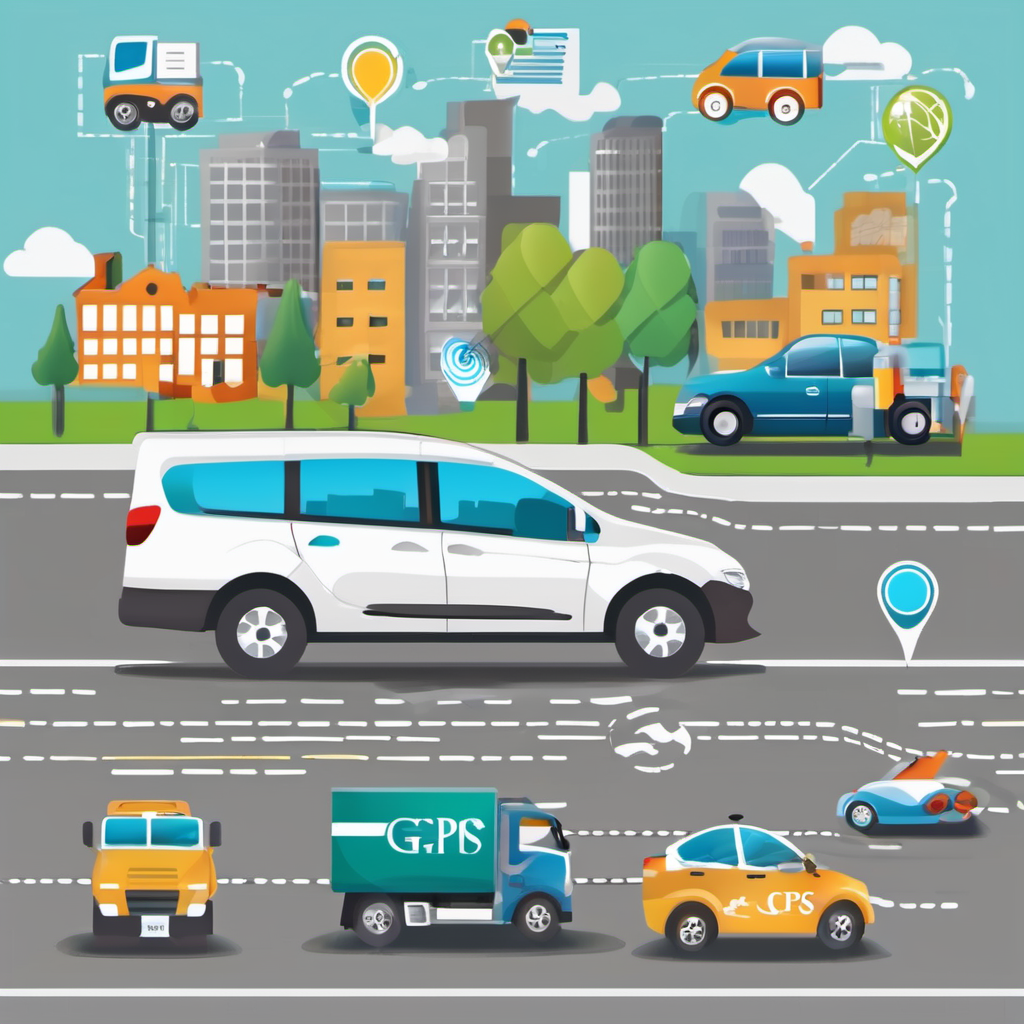
Real-Time Tracking: Modern GPS tracking devices simplify vehicle location management and provide real-time information, enabling fleet managers to make informed decisions.
Telematics Integration: Telematics are made by integrating GPS positioning tools with abroad sensors and cellular communication. These systems are able to gather and send information about the vehicle’s speed, vehicle fuel expenditure, engine diagnostics, and also the major behind-the-wheel manners of the driver. By this, the vehicle condition and performance get insight, vehicle maintenance and optimization are further made possible.
Satellite-Based Solutions: These technologies provide coverage to remote areas beyond the reach of traditional GPS infrastructure. These concepts help find the vehicle and figure out its position from anywhere even if it is no longer interlinked with the company’s network of garage nodes through satellites.
Comparison of Different Types of Tracking Devices
OBD-II Trackers: OBD-II (On-Board Diagnostics) trackers are plugged into a vehicle’s Diagnostic Link Connector usually located under the dashboard. These trackers are easy to install and offer basic tracking functionality, e.g. location tracking and diagnostic codes of the vehicle. OBD-II trackers are best suited for small-scale enterprises or single-vehicle owners who are looking for affordable tracking solutions.
Telematics Systems: Telematics systems are the combination of hardware devices placed in vehicles and software platforms serving for data interpretation and visualization. With details of location, driver behaviour, diagnostics and maintenance planning, Advanced tracking options are one of the specializations of the system. Telematics systems are best used in large fleets and commercial operations where end-to-end fleet management solutions are essential for successful operations.
Satellite-based Solutions: Satellite-based tracking devices make use of satellite communication networks to be able to provide coverage at a global level and rely on the use of reliable tracking satellites in remote or road-off-transportation areas. They are frequently used in water travel, air traffic, and land transport away from the public, where traditional cell phone coverage would not be available or reliable anymore.
Benefits of Integrating Vehicle Tracking Systems with Mobile Apps
Below are some of the benefits of integrating vehicle tracking systems with mobile apps:
Enhanced Control and Visibility: Using Mobile Apps in the vehicle tracking system enables visibility and control of fleet management to be carried out from any place in the world. This means a fast reaction to the incidents, the thought-out driving routes if needed, and the monitoring of the drivers at the moment. These processes can be performed anywhere, at any time.
Improved Efficiency: Incorporating vehicle tracking systems with mobile apps eliminates communication, management, and field activities by combining these solutions, reduces manual workload and redundant processes. Furthermore, the mobile app offers a two-way communication module, allowing fleet managers to stay in sync with drivers. Fleet managers can manage and update their tasks effortlessly and have conversations with the drivers within the same web-based platform, thus increasing productivity, improving cooperation, and allowing more effective operation management.
Driver Engagement and Feedback: Mobile apps allow for two-way interaction to take place among the fleet managers and the drivers, thereby giving opportunities for feedback, learning, and monitoring of the drivers’ performance. Furthermore, if drivers have instant access to the feedback and performance metrics that mobile apps provide, they can become more responsible at the time as they drive and the performance of the fleet could be improved overall.
Customer Service and Transparency: Customer service can be highly improved by the mobile apps which can provide the latest information on the shipment status whether it’s in transit, arrival times, delivery confirmations and real-time tracking of the delivery. The client is involved every step of the way by directly providing them with the updated app rather than guessing what might still be pending.
Conclusion
In conclusion, advanced GPS tracking technology provides effective tools for fleet management and vehicle tracking, allowing organizations to optimize operations, enhance protection, and improve customer satisfaction. By leveraging different forms of monitoring devices, integrating telematics answers, and using mobile apps for superior control and efficiency, groups can release new possibilities for increase and success in today’s competitive transportation industry.